Gentle Root Canal Care: Relief from Tooth Pain and How We Save Your Natural Smile

Monroe Avenue Dental offers gentle root canal therapy designed to relieve severe tooth pain and preserve your natural smile. Utilizing advanced digital radiography and intraoral wands near the OSU campus, our Corvallis team cleans infected inner pulp tissue while prioritizing complete patient comfort during treatment.

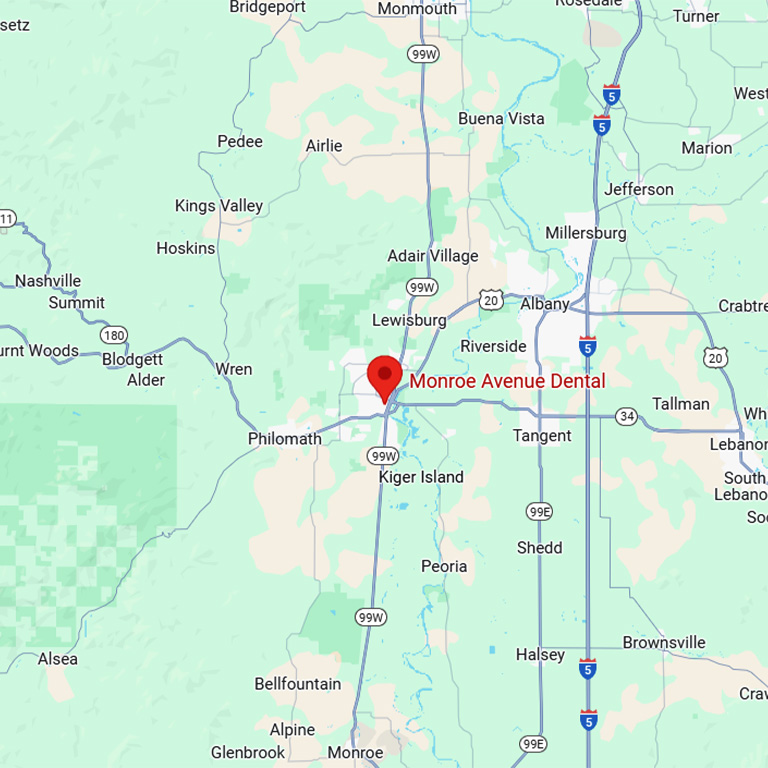
Experiencing persistent tooth pain or heightened temperature sensitivity can indicate deep structural infection within a tooth. At our welcoming practice along the Monroe Avenue corridor near the HWY 99W and Harrison Blvd intersection, Dr. James Dinger, DMD, an Oregon Health Sciences University alum, provides soothing care that eliminates discomfort at the source.

Utilizing digital radiography (low-radiation electronic scans that capture high-resolution pictures of deep interior roots), our team accurately pinpoints underlying nerve inflammation. We use intraoral cameras (slender digital devices that project live magnified views onto a chairside monitor) to walk you through your exact health status. When bacteria invade the inner cavity, endodontic therapy (a clinical procedure that removes infected pulp tissue and seals inner root canals) stops severe infection without requiring an extraction. Protecting your natural smile remains our highest clinical priority.

Advanced Pulp Therapy for Lasting Pain Relief and Tooth Preservation

Deep decay or traumatic cracks can allow oral bacteria to breach external protective enamel layers. Once microbes enter the internal chamber, they inflame the dental pulp (the soft inner network containing vital nerves and blood vessels). Unmanaged inflammation creates intense pressure inside the root, causing throbbing soreness or localized swelling.

During therapy, Dr. Dinger carefully cleans the internal channels, removing necrotic tissue and neutralizing harmful bacteria. After thoroughly disinfecting the canals, we fill the empty space with gutta-percha (a biocompatible rubber material that seals root spaces to prevent recurring bacterial entry). Sealing the inner chamber stabilizes the tooth structure, allowing it to function normally alongside neighboring teeth. After root canal care, custom ceramic crowns or durable composite bonding (tooth-colored dental resin) restore full structural strength for lifelong durability.

Comparing Infection Treatment and Tooth Saving Options

Treatment Option Primary Clinical Purpose Structural Preservation Natural Tooth Retention Patient Comfort Protocol
Root Canal Therapy Internal infection removal and disinfection Maintains natural tooth root in place Complete natural retention Localized anesthesia and gentle techniques
Tooth Extraction Complete removal of non-restorable tooth Eliminates root and leaves structural gap None Numbing local anesthetic with socket care
Porcelain Veneers Aesthetic front enamel repair Alters outer tooth surface High Simple non-invasive preparation

Key Clinical Benefits of Gentle Root Canal Care

  • Immediate relief from throbbing discomfort caused by deep nerve inflammation.
  • Complete preservation of your natural tooth structure and underlying jawbone support.
  • Prevention of spreading infection to neighboring teeth or soft oral tissues.
  • Restoration of normal chewing function using custom protective crowns or resin.

Common Questions About Root Canal Care in Corvallis

Persistent tooth pain can cause considerable stress, making daily activities like eating or working difficult. Many individuals delay seeking help for deep nerve infections because outdated myths make root canals sound uncomfortable or overly complex. Our compassionate clinical team works diligently to replace anxiety with clear guidance, ensuring you understand every phase of your recovery. Reading through common patient questions helps demystify treatment so you can seek pain relief with complete confidence.

Is a root canal procedure painful?

Modern root canal therapy is no more uncomfortable than receiving a simple dental filling. Advanced localized numbing techniques help you stay relaxed and pain-free throughout the appointment. Removing infected nerve tissue can relieve your throbbing ache instantly.

How long does a root canal procedure take?

Most root canal treatments are completed in a single appointment lasting approximately sixty to ninety minutes. Our dedicated team maintains a calm, unhurried pace so you feel supported every step of the way. Efficient root canal care quickly restores your health while respecting your busy schedule.

Why is saving a natural tooth better than an extraction?

Keeping your natural tooth preserves your bite alignment and prevents adjacent teeth from drifting into open gaps. Our friendly Corvallis practice always seeks to preserve your natural smile whenever clinically possible. Protecting your original root foundation maintains optimal long-term oral stability and jawbone density.

Schedule Your Root Canal Consultation in Corvallis

Relieving tooth pain and protecting your natural smile is easier with a compassionate local practice. Located along the Monroe Avenue corridor near Avery Park and the OSU campus region, our practice warmly serves patients visiting from nearby Philomath and Albany. Contact Monroe Avenue Dental today to schedule your restorative evaluation with Dr. James Dinger, DMD.

Halting Gum Disease: Advanced Subgingival Scaling and Root Planing in Corvallis

Targeted periodontal maintenance therapies halt the progression of gum disease by removing toxic subgingival plaque deposits. Deep scaling and root smoothing eliminate underlying bacterial strongholds, encouraging healthy tissue reattachment. Regular periodontal care protects supporting jawbone structures, restores gum health, and safeguards your long-term smile stability.

Noticing bleeding gums when brushing after a busy day on the OSU campus is a common warning sign of early gum inflammation. Monroe Avenue Dental provides gentle, comprehensive periodontal therapy to stop gum disease from damaging your underlying jawbone. Ignoring tender or swollen gums allows bacterial plaque to migrate deep beneath the gumline. Performing precise subgingival calculus removal, which refers to thoroughly cleaning bacterial calcified buildup below the gumline on tooth roots, restores gum tissue health. Local residents from Philomath and Albany receive personalized periodontal care along the Monroe Avenue corridor.

Micro-Ultrasonic Debridement and Periodontal Tissue Healing

Periodontal disease begins when unremoved bacterial plaque triggers chronic immune responses within sulcular tissues. Tissue inflammation breaks down epithelial attachments, forming deep pocket spaces where destructive anaerobic bacteria thrive. Utilizing a piezoelectric ultrasonic scaling device, which uses high-frequency ultrasonic vibrations to disrupt stubborn bacterial biofilms without harming delicate root structures, cleans hidden roots thoroughly. Smoothing rough root surfaces removes embedded endotoxins that block tissue healing. Eliminating subgingival irritants allows soft tissue to reattach tightly against clean tooth structures, reducing dangerous pocket depths.

Periodontal Therapy Stage Comparison

Therapy Level Depth of Treatment Target Anatomical Area Primary Clinical Goal
Routine Cleaning Supragingival enamel cleaning Tooth surface above gumline Removes light plaque and prevents gingivitis
Scaling and Root Planing Subgingival root cleaning Below gumline inside deep pockets Halts active periodontal tissue destruction
Periodontal Maintenance Pocket monitoring and plaque removal Complete root and sulcus areas Prevents recurrent gum disease infection

Key Benefits of Periodontal Therapy

  • Halts active bacterial infection to prevent progressive jawbone loss.
  • Reduces swollen, bleeding gums for enhanced everyday oral comfort.
  • Eliminates persistent bad breath caused by subgingival bacterial pockets.
  • Protects natural teeth from becoming loose due to tissue damage.

Common Questions About Periodontal Maintenance

Managing gum health is essential for protecting your smile for a lifetime. Local Corvallis residents wonder how deep cleanings differ from standard routine preventive visits. The answers below offer clear information on how targeted periodontal care restores healthy gums.

What is the difference between a routine cleaning and scaling and root planing?

Routine cleanings focus on polishing tooth enamel above the gumline for patients with healthy tissue. Scaling and root planing go beneath the gumline to clean infected root surfaces and remove calcified bacteria. Deep treatment actively treats active gum disease rather than serving as routine prevention.

Is root planing and scaling painful?

Targeted local anesthesia numbs your gums completely during the deep cleaning process to ensure absolute comfort. Patients feel light pressure, but no sharp sensations as root surfaces are smoothed. Gentle post-care instructions help ensure mild gum tenderness resolves within a few days.

How often will I need periodontal maintenance visits after treatment?

Most patients transition to a three-month maintenance schedule following deep periodontal cleaning. Frequent maintenance cleanings prevent aggressive bacteria from re-establishing deep colonies inside healing tissue pockets. Dr. James Dinger, DMD, monitors your sulcus depth continuously to ensure your gums remain stable.

Schedule Your Periodontal Consultation in Corvallis

Protect your smile’s foundation through advanced periodontal care tailored to your needs. Located near the intersection of HWY 99W and Harrison Boulevard, Monroe Avenue Dental is dedicated to helping you achieve lasting oral health. Contact our friendly dental team today to reserve your periodontal checkup.

Targeted Endodontic Care In Corvallis: Gentle Preservation For Natural Teeth

Root canal therapy eliminates internal nerve infection while retaining your natural anatomical tooth structure. Modern rotary technology gently cleans complex root pathways, restoring comfort without long recovery times. Preserving your natural tooth helps maintain jawbone density and natural bite alignment over the long term.

Are you experiencing lingering sensitivity to hot or cold drinks while walking through the OSU Campus Region? Monroe Avenue Dental delivers comfortable endodontic treatment designed to save compromised teeth. Preserving your natural smile prevents the need for extraction and complex prosthetic replacements. We perform endodontic canal obturation, which involves filling the cleared root canals with a biocompatible sealing material to protect them against future microbial invasion. Residents from Philomath to Albany benefit from our precise, reassuring approach to root canal care along Monroe Avenue.

Biological Tooth Preservation and Endodontic Physics

Internal tooth decay occurs when deep microbial infiltration reaches the inner pulp chamber. Tiny blood vessels and nerve fibers within root pathways become inflamed, generating persistent throbbing sensations. Modern therapy utilizes flexible nickel-titanium instruments to clear microscopic bacteria from curved canal walls. Complete removal of soft organic material prevents recurrent deep infection. Applying bio-friendly sealing compounds seals the tiny dentinal tubules, preventing persistent fluid leakage. Retaining natural roots preserves periodontal ligament sensation, maintaining natural chewing function and surrounding bone health.

Tooth Preservation Options Comparison

Treatment Option Tissue Conservation Long-Term Jawbone Impact Recovery Timeline
Root Canal Therapy High (Preserves original root) Prevents natural bone resorption Immediate pain relief in 1-2 days
Tooth Extraction Low (Removes natural root) Leads to progressive bone loss Requires weeks of socket healing

Advantages of Modern Endodontic Care

  • Relieves deep internal pressure while eliminating chronic infection.
  • Preserves natural tooth roots to maintain healthy jawbone structure over time.
  • Restores normal chewing efficiency without requiring extensive surgery.
  • Custom crowns fit seamlessly over treated teeth to restore beautiful aesthetic balance.

Common Questions About Root Canal Therapy

Hearing that you need endodontic treatment often creates hesitation due to old dental myths. Modern techniques ensure the process is just as comfortable as receiving a routine filling. Below are answers to help you feel confident about saving your natural tooth.

Is root canal treatment painful?

Modern local anesthetics ensure that endodontic therapy is completely comfortable throughout the procedure. Dr. James Dinger, DMD, prioritizes patient ease so you feel relaxed and cared for every moment. Clearing internal inflammation actually eliminates the severe throbbing pain you were suffering from before care.

How long does a root canal procedure usually take?

Most treatment visits last 60 to 90 minutes, depending on the complexity of the tooth root. Convenient scheduling near Harrison Boulevard allows local commuters to complete care without sacrificing their whole day. Finishing treatment efficiently allows you to return to regular activities with minimal delay.

Why is saving a natural tooth better than pulling it?

Keeping your original tooth root preserves jawbone density and prevents neighboring teeth from drifting out of alignment. Retaining original teeth maintains natural chewing power without requiring costly bridges or implants. Successful endodontic therapy provides a durable foundation that can last for decades with proper oral hygiene.

Schedule Your Root Canal Consultation in Corvallis

Protect your smile from extraction through gentle, precise endodontic care. Located right near HWY 99W, Monroe Avenue Dental provides complete pain relief in a welcoming clinic setting. Schedule your consultation today to keep your natural tooth healthy and strong.

Demystifying Root Canal Therapy: How Modern Corvallis Dentists Replace Dental Anxiety with Precision Comfort

When searching for a skilled root canal dentist to relieve severe tooth pain, it’s essential to find a team that prioritizes both structural precision and patient comfort. At Monroe Avenue Dental in Corvallis, we use advanced diagnostic technology to provide gentle endodontic treatments that preserve your natural teeth and prevent the progression of complex infections. Our clinical approach focuses on eliminating active dental nerve discomfort efficiently while maintaining a supportive, stress-free environment for every patient.

We understand that hearing you might need root canal therapy can instantly trigger feelings of dental anxiety and physical dread. It is completely normal to worry about severe tooth pain, the length of the procedure, or whether the treatment itself will be highly uncomfortable. Many individuals avoid visiting the dentist out of fear, which unfortunately allows a hidden infection to worsen beneath the gumline.

Living with a throbbing toothache, extreme temperature sensitivity, or localized swelling makes it incredibly difficult to focus on work, sleep peacefully, or enjoy daily meals. This ongoing physical disruption is often compounded by financial anxiety regarding unexpected dental expenses or confusion about treatment steps. We believe that your dental care should be defined by transparent communication and soothing, precise clinical methods rather than stress.

To help demystify the process, we have outlined how modern endodontic care compares to older dental myths:

Common Root Canal Myth Modern Clinical Reality at Monroe Avenue Dental
Myth 1: The procedure is painful. Specialized local anesthetics completely numb the area, ensuring a highly comfortable experience.
Myth 2: Extraction is always better. Saving your natural tooth preserves your bite alignment and protects long-term jawbone structure.
Myth 3: It requires countless visits. Advanced rotary tools and digital diagnostics streamline care, often requiring just one or two visits.
Myth 4: Modern crowns look unnatural. Custom porcelain restorations match your surrounding teeth perfectly in shade, strength, and contour.

Advanced Endodontics: The Precision Mechanics of Saving a Damaged Tooth

When a deep cavity or physical trauma compromises the internal dental pulp, a specialized treatment is required to stabilize the tooth structure. Dr. James Dinger uses high-resolution digital radiography and intraoral cameras to view the intricate interior pathways of your tooth with absolute clarity. This clear visual mapping allows our team here in Corvallis to target the exact source of underlying bacterial irritation without guesswork.

During the procedure, the compromised or inflamed nerve tissue is carefully removed from the microscopic root canals using highly flexible, quiet rotary instruments. Once the internal root chambers are meticulously cleaned and disinfected, they are filled with a sterile, biocompatible sealing material to prevent future bacterial intrusion. This precise biological seal protects your jawbone foundation and prepares the tooth for a strong, custom porcelain restoration.

Frequently Asked Questions About Root Canal Therapy

What is the typical cost of root canal therapy, and will insurance cover it? The cost of endodontic treatment varies depending on which tooth is affected, as molars have more root canals than front teeth. We prioritize complete financial transparency and provide an accurate cost estimate before any treatment begins. Most dental insurance plans offer partial or full coverage for required endodontic care, and our administrative team works closely with your provider to maximize your annual benefits.

Will I experience significant pain during or after the root canal procedure?

Modern endodontic procedures are designed to relieve pain rather than cause it, using advanced local numbing techniques to ensure you experience minimal physical discomfort in the chair. While you may notice mild post-treatment tenderness or tissue sensitivity for a few days after the local anesthetic wears off, this is common and easily managed with standard over-the-counter comfort options. We move at your preferred pace throughout the visit to preserve your peace of mind.

How long does the treatment take, and when can I expect normal function to return? Most modern root canal procedures are completed efficiently in a single office visit lasting between one and two hours, depending on the tooth’s structural complexity. You can typically return to your normal daily routine immediately following your appointment, though we recommend avoiding hard chewing on the treated area until your final protective crown is placed. Once your custom restoration is secured, you can smile, bite, and chew with complete confidence.

Restoring Your Comfort and Oral Health

You do not have to live with the debilitating disruption of a persistent toothache or let fear keep you from achieving a healthy smile. At Monroe Avenue Dental, we merge compassionate, patient-first attention with advanced clinical capabilities to deliver dependable relief. Contact our team immediately if you are experiencing persistent tooth pain so we can evaluate your endodontic treatment options.

Root Canal Therapy in Corvallis, OR

Advanced root canal micro-therapy preserves your natural smile by thoroughly eliminating deep-seated bacterial infections within the sensitive dental pulp cavity. Our computerized diagnostic tools allow Monroe Avenue Dental to relieve acute oral discomfort while completely restoring long-term functional stability to the compromised tooth structure.

Patients experiencing intense temperature sensitivity or localized swelling often require immediate endodontic intervention to save their smile. Monroe Avenue Dental leverages diagnostic radiograph technology, which allows our clinical team to visualize internal tooth roots with exceptional clarity. This advanced mapping helps identify compromised tissue inside the dental pulp cavity, the central chamber housing specialized nerves and vital blood vessels. Eliminating this damaged material prevents dangerous systemic infections while halting localized bone deterioration around the root base.

Many individuals discover that modern root canal therapy feels remarkably similar to receiving a standard dental filling. Relieving the underlying pressure brings immediate comfort and preserves a tooth that might otherwise require complete extraction.

Advanced Micro-Endodontic Protocols and Tissue Preservation

Saving a compromised tooth requires meticulous cleaning of the microscopic pathways hidden deep beneath your visible enamel. Traditional dental treatment relied on stiff manual instruments, but our progressive Corvallis practice utilizes highly flexible rotary systems to carefully navigate irregular root shapes. We incorporate electronic apex locators, advanced diagnostic tools that precisely measure root lengths to guarantee thorough internal disinfection. This extreme precision ensures that subgingival debridement, which describes the clinical removal of deep bacterial biofilm layers, completely purifies the root environment before sealing occurs.

Micro-Endodontic Technology and Clinical Performance

Clinical Attribute Legacy Hand-File Techniques Modern Micro-Therapy Protocols
Instrument Flexibility Rigid stainless steel files may alter natural root anatomy Flexible titanium rotary files preserve natural canal curvature
Measurement Accuracy Manual tactile sensation and standard radiographs Precise real-time tracking via electronic apex locators
Disinfection Depth Superficial rinsing leaves microscopic bacterial remnants Advanced fluid dynamics eliminates deep subgingival debridement biofilm
Structural Protection Higher risk of structural micro-fractures during shaping Controlled automated torque minimizes structural stress points

Biological Advantages of Modern Root Canal Therapy

  • Occlusal equilibrium remains protected because saving the natural root prevents neighboring teeth from drifting out of alignment.
  • Natural chewing sensations are preserved since the surrounding periodontal ligament stays fully intact and functional.
  • Bone density in the jaw is continuously stimulated, preventing the localized degradation often caused by tooth loss.
  • Computerized treatment planning minimizes time spent in the chair, creating a relaxed experience for busy professionals.

Common Questions About Root Canal Therapy

Is a root canal treatment painful?

Severe discomfort usually stems from the underlying infection rather than the clinical procedure itself. Our team utilizes advanced localized numbing techniques to ensure you feel completely relaxed and comfortable throughout your visit.

How many appointments will my treatment require?

Most straightforward cases are completed in just one or two comfortable visits, depending on the complexity of your root anatomy. We always work efficiently to respect your schedule while providing thorough, high-quality clinical care.

Why should I choose a root canal instead of having the tooth pulled?

Preserving your natural tooth structure is always the most beneficial choice for long-term oral health and bite stability. When searching for a skilled root canal dentist, selecting a team that prioritizes conservative preservation is vital. Keeping your original tooth prevents the need for more invasive replacement procedures later.

Schedule Your Root Canal Therapy Consultation in Corvallis

Resolving deep dental pain and protecting your smile requires prompt, expert attention. Dr. James Dinger, DMD, combines extensive endodontic experience with modern diagnostic technology to deliver gentle, effective treatments. When looking for a gentle root canal, Corvallis, OR, residents consistently turn to our dedicated team for lasting relief. Contact Monroe Avenue Dental today to schedule your comprehensive oral examination and safeguard your long-term health. Our welcoming office is located near the intersection of northwest Monroe Avenue and northwest Ninth Street, offering convenient access along the local commuter corridor.