
Deep Cleaning Or Regular Cleaning? How We Decide If You Need Scaling And Root Planing in Corvallis
A regular cleaning cares for healthy gums above and just at the gumline. A deep cleaning, called scaling and root planing, goes below the gumline to remove tartar where gum disease starts. At Monroe Avenue Dental, we recommend a deep cleaning when your gums show signs of disease, not as a routine upsell.
Maybe you just heard it at your checkup: “We’d like to schedule a deep cleaning.” It’s normal to pause and wonder if that’s really necessary. After all, you came in for a cleaning. Why does this one have a different name?
Here’s the short answer. A regular cleaning (also called a prophylaxis) is preventive care. It’s meant for healthy gums, so your dental visits keep them that way. Scaling and root planing is treatment. It’s for gums that have already started to pull away from the teeth, so we can clean the places a regular cleaning can’t reach.
When gum disease starts, the gums can loosen and form a small gap around the tooth called a periodontal pocket. In plain terms, that’s a little space where germs hide. Hardened plaque, called tartar, collects there and can’t be brushed away at home. That’s why your toothbrush can’t fix it, and why we take a closer look.
At every exam, our team performs a periodontal screening of your gums. If we see swelling, redness, or bleeding, or if the pockets measure deeper than healthy gums should, we’ll walk you through what we found and why a deep cleaning makes sense.
Many patients tell us their gums “always bleed a little,” so they assume it’s normal. It’s common, but you don’t have to live with it. Bleeding often means your gums need help. The good news is that catching it early usually means simpler care and a healthier smile for years to come.
Why Does Scaling and Root Planing Matter for Your Gums?
Gum disease is an infection of the tissue and bone that hold your teeth in place. Early on, it may only cause gum swelling, redness, or bleeding. If it progresses, it can damage the gums and the bone underneath, which can lead to loose teeth over time.
Scaling and root planing is a non-surgical deep cleaning. During scaling, we remove tartar from above and below the gumline. During root planing, we smooth the tooth roots. In everyday terms, smooth roots give tartar fewer rough spots to grab onto, so your gums have a better chance to heal and fit snugly around the tooth again.
Following American Dental Association standards, which encourage regular dental visits and early treatment of gum disease, Dr. James Dinger and our hygienist, Ashley, use periodontal screenings at your exams to spot problems early. That way, a deep cleaning can help halt gum disease when it’s still mild to moderate.
Deep Cleaning vs. Regular Cleaning: What’s the Difference?
| Regular cleaning (prophylaxis) | Deep cleaning (scaling and root planing) | |
|---|---|---|
| Who it’s for | Patients with healthy gums | Patients with signs of gum disease |
| Where we clean | Above and just at the gumline | Above and below the gumline, into the pockets |
| Main goal | Prevent problems | Stop gum disease from getting worse |
| Number of visits | Usually one | Often more than one appointment |
| What comes next | Your regular cleaning schedule | Periodontal maintenance visits to keep gums stable |
Signs your gums may need more than a regular cleaning:
- Gums that bleed when you brush or floss
- Red, puffy, or tender gums
- Bad breath that doesn’t go away
- Gums that look like they’re pulling back from your teeth
- Teeth that feel loose or look longer than before
Because a deep cleaning removes tartar below the gumline and smooths the roots, your gums have a clean surface to heal against—meaning less bleeding, fresher breath, and a better chance of keeping your natural teeth. Since our office opens at 7 AM on Tuesdays and Wednesdays, many patients can fit a gum care visit in before work or an early OSU class.
Want to learn more first? Read about our scaling and root planing treatment and how it fits into your care.
Common Questions About Deep Cleanings
How is a deep cleaning different from a regular cleaning?
A regular cleaning is preventive and cleans healthy gums above and at the gumline. A deep cleaning treats gum disease by removing tartar below the gumline and smoothing the roots. We recommend it only when your gums show signs of disease, so you get the care your gums actually need.
Does a deep cleaning hurt?
Most patients say it feels like a more thorough cleaning. Your gums may feel a little tender for a short time afterward, especially if they were inflamed before. Before we start, we’ll talk with you about how to keep you comfortable, and you can ask us to pause anytime. We welcome nervous patients, and there’s no lecture here.
How many visits does it take?
Scaling and root planing often takes more than one appointment, depending on how many areas need care. We’ll map out a plan with you at your exam so you know what to expect. Our early weekday and Monday evening hours can make it easier to fit visits around work and school.
What happens after? Do I need periodontal maintenance?
Yes, most patients move to periodontal maintenance after a deep cleaning. These visits clean below the gumline on a regular schedule to help prevent gum disease from returning. We’ll recommend a schedule based on how your gums heal, along with simple brushing and flossing habits that focus on the gumline.
Does the membership plan help with the cost of scaling and root planing?
Yes. Our Monroe Dental Membership Plan includes periodontal screenings and gives members 15% off deep cleanings (scaling and root planing). It’s not insurance, but it’s a simple option if you don’t have coverage. Ask us; we have options and affordable prices, and we’ll review pricing and payment options at your visit.
Schedule Your Gum Health Visit in Corvallis
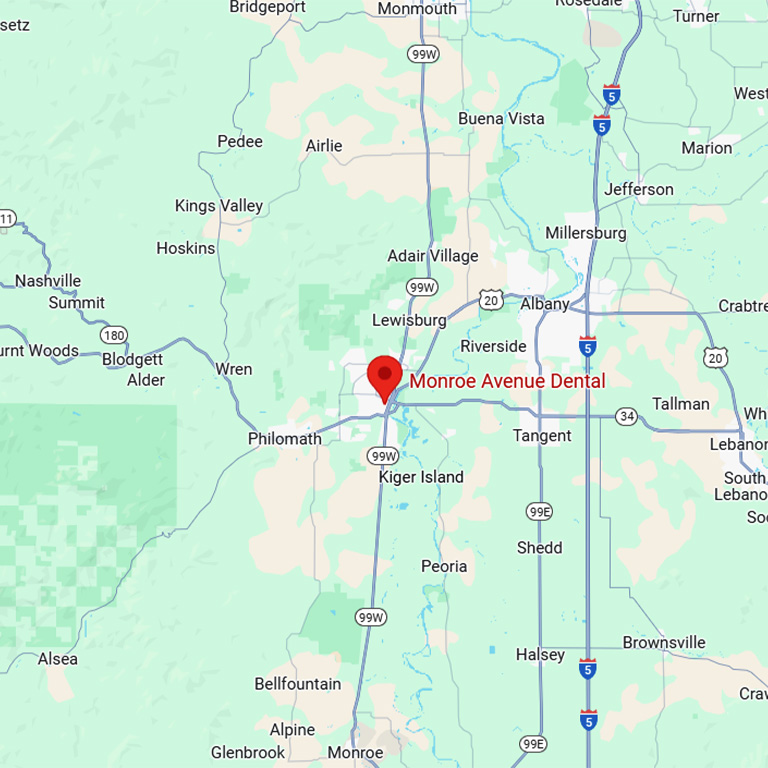
If your gums bleed when you brush, or it’s been a while since your last cleaning, now is a great time to check in. Our team at Monroe Avenue Dental will closely examine your gums, explain what we find in plain language, and help you choose the right next step. Request your appointment online or call us at 1-541-754-1550. We’re at 853 NW Monroe Ave., Corvallis, OR 97330.